

1L ESCC safety
Safety in 1L ESCC: All randomized patients
A well-characterized safety profile, consistent with the PD-1 inhibitor class1-3
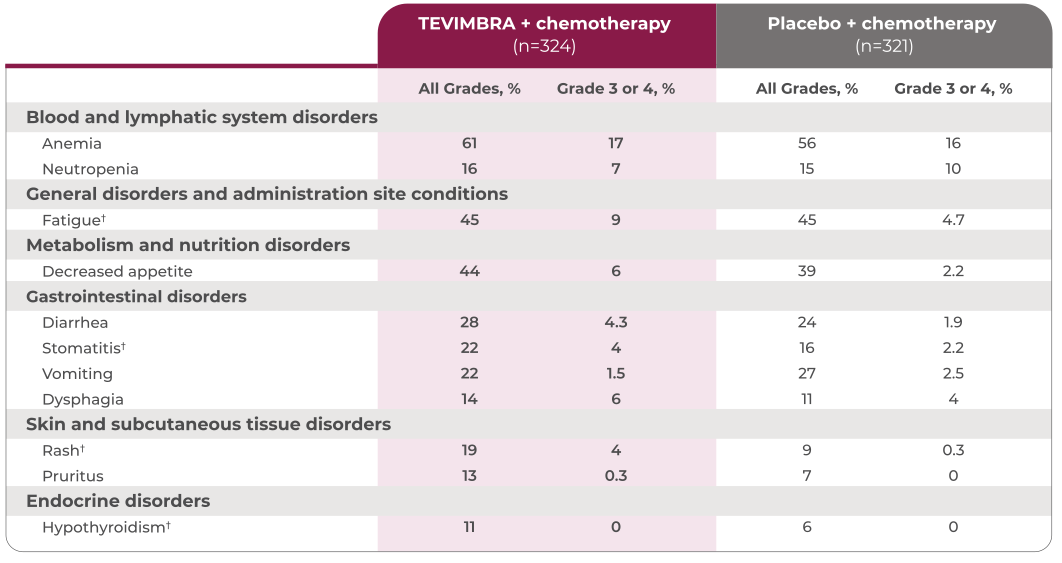
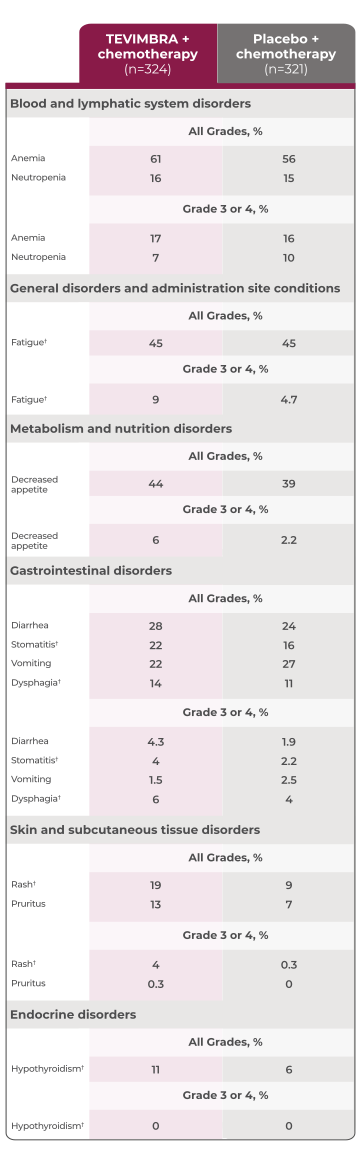
Adverse reactions (≥10%) in RATIONALE-306*
Discontinuation of TEVIMBRA1
- Occurred due to an adverse reaction in 13% of patients (reaction occurring in ≥2%: pneumonitis)
Dosage interruptions of TEVIMBRA1
- Occurred due to an adverse reaction in 52% of patients (reactions occurring in ≥2%: neutrophil count decreased, fatigue, pneumonia, anemia, neutropenia, white blood cell count decreased, rash, dysphagia, platelet count decreased, pyrexia, and diarrhea)
Serious adverse reactions1
- Occurred in 48% of patients who received TEVIMBRA + chemotherapy (reactions occurring in ≥2%: pneumonia, dysphagia, diarrhea, fatigue, and esophageal stenosis)
- Fatal adverse reactions occurred in 8% of patients
Safety in 1L ESCC: All randomized patients
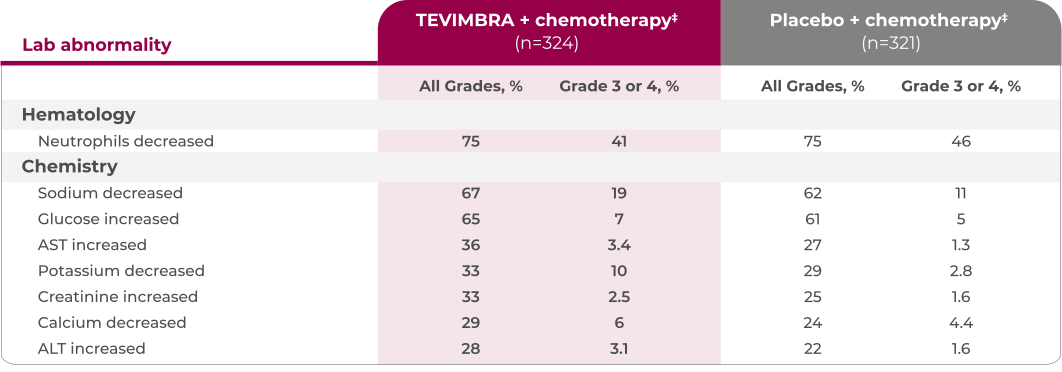
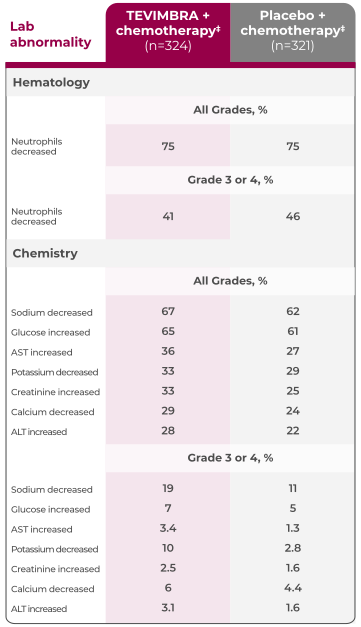
Select lab abnormalities (≥10%) in RATIONALE-306 with a difference between arms of ≥5% (all grades) or ≥2% (grade 3 and 4) vs placebo + chemotherapy1
Frequently Asked Questions
What was the safety profile of TEVIMBRA in patients with 1L advanced ESCC?
What were the discontinuation rates with TEVIMBRA in patients with 1L advanced ESCC?
Permanent discontinuation of TEVIMBRA due to adverse reactions occurred in 13% of patients. The adverse reaction that resulted in discontinuation in ≥2% of patients was pneumonitis.1
Dosage interruptions of TEVIMBRA occurred due to an adverse reaction in 52% of patients. Reactions occurring in ≥2% were neutrophil count decreased, fatigue, pneumonia, anemia, neutropenia, white blood cell count decreased, rash, dysphagia, platelet count decreased, pyrexia, and diarrhea.1
What were the serious adverse reactions with TEVIMBRA in patients with 1L advanced ESCC?
Serious adverse reactions occurred in 48% of patients. Reactions occurring in 2% or more of patients were pneumonia, dysphagia, diarrhea, fatigue, and esophageal stenosis.
Fatal adverse reactions occurred in 8% of patients.1
*With a difference between arms of ≥5% for all grades or ≥2% for grades 3 and 4.1
†Represents a composite of multiple, related preferred terms.1
‡The denominator used to calculate the rate varied from 132 to 323 based on the number of patients with a baseline value and at least one post-treatment value.1
1L, first line; 2L, second line; ESCC, esophageal squamous cell carcinoma; imAE, immune-mediated adverse event; PD-1, programmed death receptor 1; PD-L1, programmed death ligand 1; TEAE, treatment-emergent adverse event.
Reference: 1. TEVIMBRA. Prescribing Information. BeOne Medicines USA, Inc.; 2026. 2. Keytruda. Prescribing Information. Merck & Co. Inc.; 2026. 3. Opdivo. Prescribing Information. Bristol-Myers Squibb Company; 2026.