

1L HER2- GC/GEJC safety
Safety in 1L HER2- GC/GEJC: All randomized patients
No new safety signals with TEVIMBRA + chemotherapy were observed1*
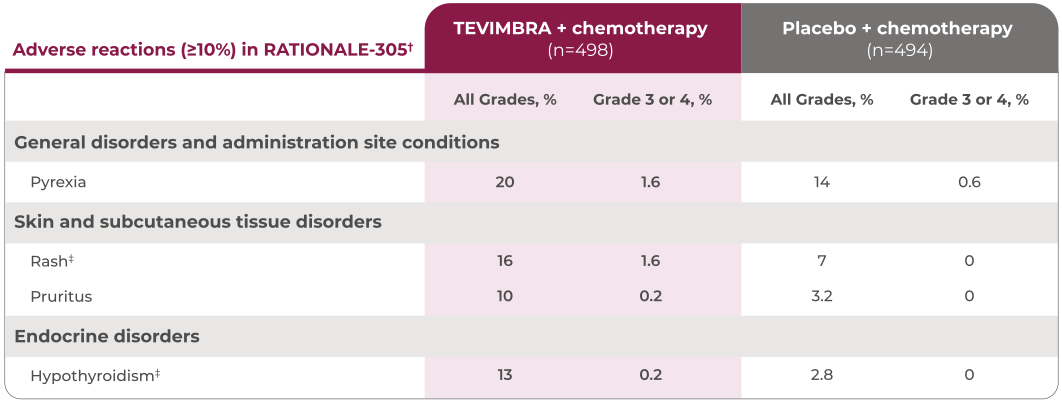
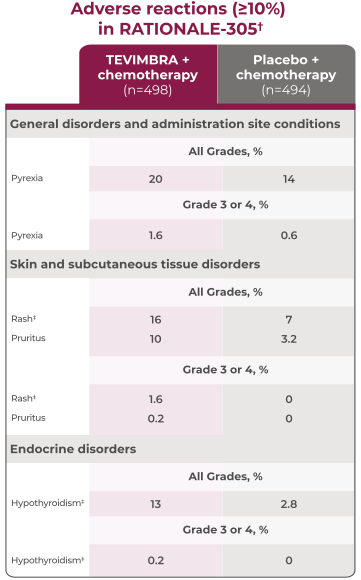
Adverse reactions (≥10%) in RATIONALE-305†
Discontinuation of TEVIMBRA1
- Occurred due to an adverse reaction in 16% of patients (reactions occurring in ≥1%: death, fatigue, and pneumonitis)
Dosage interruptions of TEVIMBRA1
- Occurred due to an adverse reaction in 49% of patients (reactions occurring in ≥2%: decreased platelet count, decreased neutrophil count, neutropenia, decreased white blood cell count, increased AST, increased ALT, increased blood bilirubin, COVID-19, thrombocytopenia, leukopenia, pneumonitis, and pneumonia)
Serious adverse reactions1
- Occurred in 42% of patients who received TEVIMBRA + chemotherapy (reactions occurring in ≥2%: pneumonia, decreased platelet count, gastrointestinal hemorrhage, and colitis)
- Fatal adverse reactions occurred in 4.2% of patients (reactions occurring in ≥2 patients: death, sepsis, pneumonia, pulmonary embolism, and respiratory failure)
Safety in 1L HER2- GC/GEJC: All randomized patients
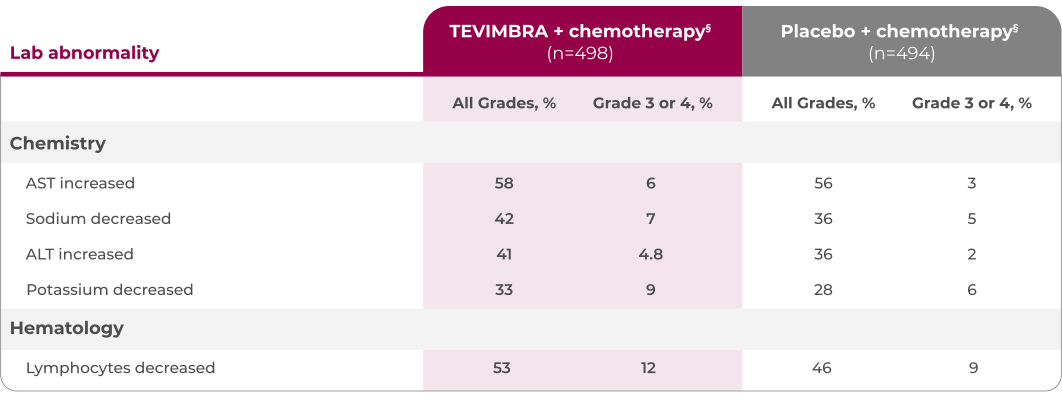
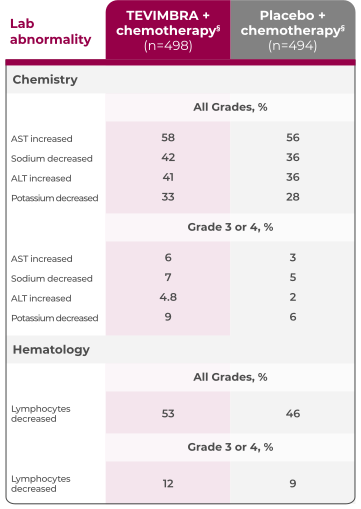
Select laboratory abnormalities (≥10%) in RATIONALE-305 with a difference between arms of ≥5% (all grades) or ≥2% (grade 3 and 4) vs placebo + chemotherapy1
Frequently Asked Questions
What was the safety profile of TEVIMBRA in patients with 1L HER2- advanced GC/GEJC?
TEVIMBRA had a well-characterized safety profile consistent with the PD-1 inhibitor class. No new safety signals were observed in the all-comer population with TEVIMBRA + chemotherapy. Adverse reactions (≥10%) for patients receiving TEVIMBRA + chemotherapy with a difference between arms of ≥5% for all Grades or ≥2% for Grades 3 and 4 vs placebo + chemotherapy included pyrexia, rash, pruritus, and hypothyroidism.1
What were the discontinuation rates with TEVIMBRA in patients with 1L HER2- advanced GC/GEJC?
Permanent discontinuation of TEVIMBRA due to adverse reactions occurred in 16% of patients. Adverse reactions that resulted in discontinuation in ≥1% of patients were death, fatigue, and pneumonitis.1
Dosage interruptions of TEVIMBRA occurred due to an adverse reaction in 49% of patients. Reactions occurring in ≥2% were decreased platelet count, decreased neutrophil count, neutropenia, decreased white blood cell count, increased AST, increased ALT, increased blood bilirubin, COVID-19, thrombocytopenia, leukopenia, pneumonitis, and pneumonia.1
What were the serious adverse reactions with TEVIMBRA in patients with 1L HER2- advanced GC/GEJC?
Serious adverse reactions occurred in 42% of patients. Reactions occurring in 2% or more of patients were pneumonia, decreased platelet count, gastrointestinal hemorrhage, and colitis.
Fatal adverse reactions occurred in 4.2% of patients. Reactions occurring in 2% or more of patients were death, sepsis, pneumonia, pulmonary embolism, and respiratory failure.1
*Consistent with the safety profiles of the PD-1 inhibitor class and chemotherapy. No new safety signals were observed with the addition of TEVIMBRA to chemotherapy.
†With a difference between arms of ≥5% for all grades or ≥2% for grades 3 and 4 vs placebo + chemotherapy.
‡Represents a composite of multiple, related preferred terms.
§The denominator used to calculate the rate varied from 480 to 494 based on the number of patients with a baseline value and at least one post-treatment value.
1L, first line; ALT, alanine aminotransferase; AR, adverse reaction; AST, aspartate aminotransferase; GC, gastric cancer; GEJC, gastroesophageal junction cancer; GI, gastrointestinal; imAE, immune-mediated adverse event; PD-1, programmed death receptor 1.