
1L ESCC OS results
Unprecedented overall survival in patients with 1L ESCC and PD-L1 scores ≥1%1
Key efficacy outcome in 1L ESCC: OS in PD-L1 ≥1%
16.8 months of median overall survival with TEVIMBRA + chemotherapy vs 9.6 months with placebo + chemotherapy
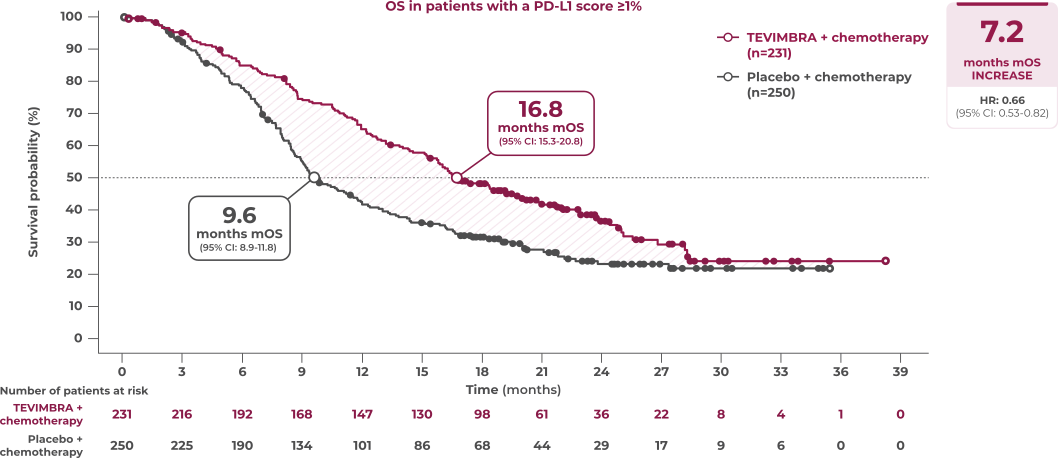
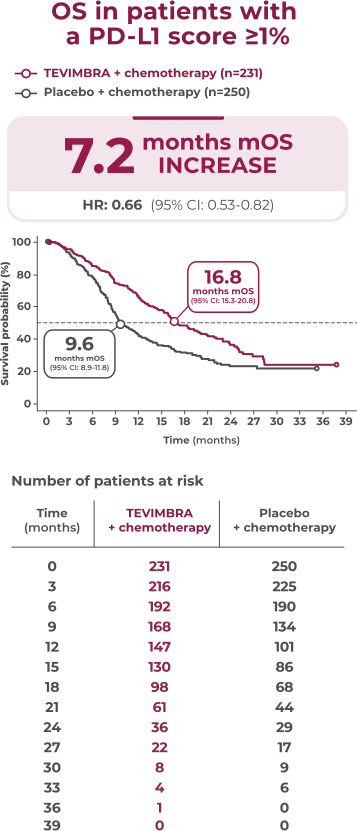
This retrospective subgroup analysis included patients with a PD-L1 score ≥1% only. Estimated using the Kaplan-Meier method.
Image description
In patients with a PD-L1 score ≥1%, TEVIMBRA + chemotherapy (n=231) demonstrated 16.8 months median overall survival (95% CI: 15.3-20.8) vs 9.6 months (95% CI: 8.9-11.8) with placebo + chemotherapy (n=250). This was a 7.2 months mOS increase (HR: 0.66 [95% CI: 0.53-0.82]).
Limitation: Efficacy analysis was not powered for statistical comparison and is descriptive only. No definitive conclusions can be drawn.
1L ESCC: OS in PD-L1 ≥1%
Durable survival benefit with TEVIMBRA + chemotherapy1,2
Primary analysis: 16.8 months mOS with TEVIMBRA + chemotherapy (95% CI: 15.3-20.8) vs 9.6 months with placebo + chemotherapy (95% CI: 8.9-11.8); HR: 0.66 (95% CI: 0.53-0.82)*
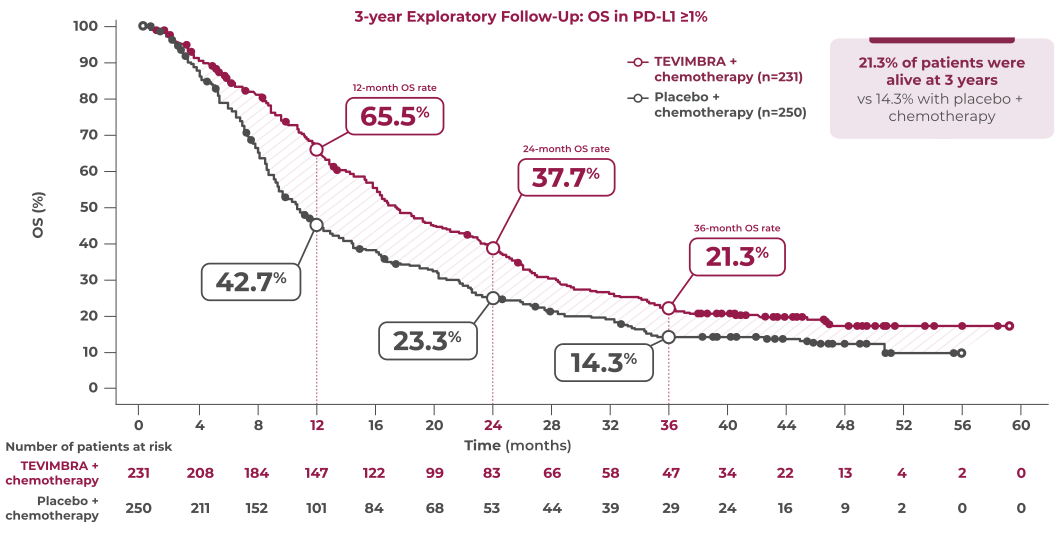
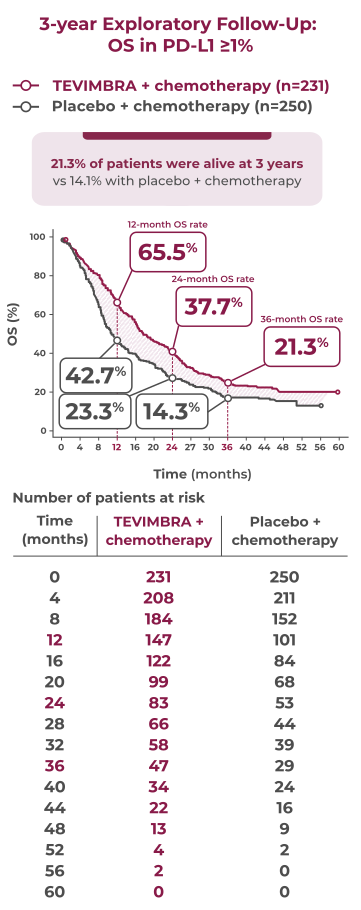
Image description
Primary analysis: In patients with a PD-L1 score ≥1%, TEVIMBRA + chemotherapy (n=432) demonstrated 16.8 months median overall survival (95% CI: 15.3-20.8) vs 9.6 months with placebo + chemotherapy (95% CI: 8.9-11.8); HR: 0.66 (95% CI: 0.53-0.82).
3-year exploratory follow up: Among patients with a PD-L1 score ≥1%,
- At 3 years, TEVIMBRA + chemotherapy (n=231) had a 21.3% overall survival rate vs 14.3% with placebo + chemotherapy (n=250)
- At 2 years, TEVIMBRA + chemotherapy (n=231) had a 37.7% overall survival rate vs 23.3% with placebo + chemotherapy (n=250)
- At 1 year, TEVIMBRA + chemotherapy (n=231) had a 65.5% overall survival rate vs 42.7% with placebo + chemotherapy (n=250)
Limitation: 3-year OS analysis was exploratory in nature and was not powered to show statistical significance. Landmark OS rates were estimated using the Kaplan-Meier method. No definitive conclusions can be drawn.
NCCN
preferred
1l escc
PD-L1 ≥1
National Comprehensive Cancer Network® (NCCN®) recommends tislelizumab-jsgr (TEVIMBRA®) in combination with fluoropyrimidine and oxaliplatin or cisplatin, for adults with 1L, unresectable, locally advanced, recurrent, or metastatic ESCC whose tumors express PD-L1 (≥1).3*
.
Expert Review of Overall Survival Data and NCCN Recommendations
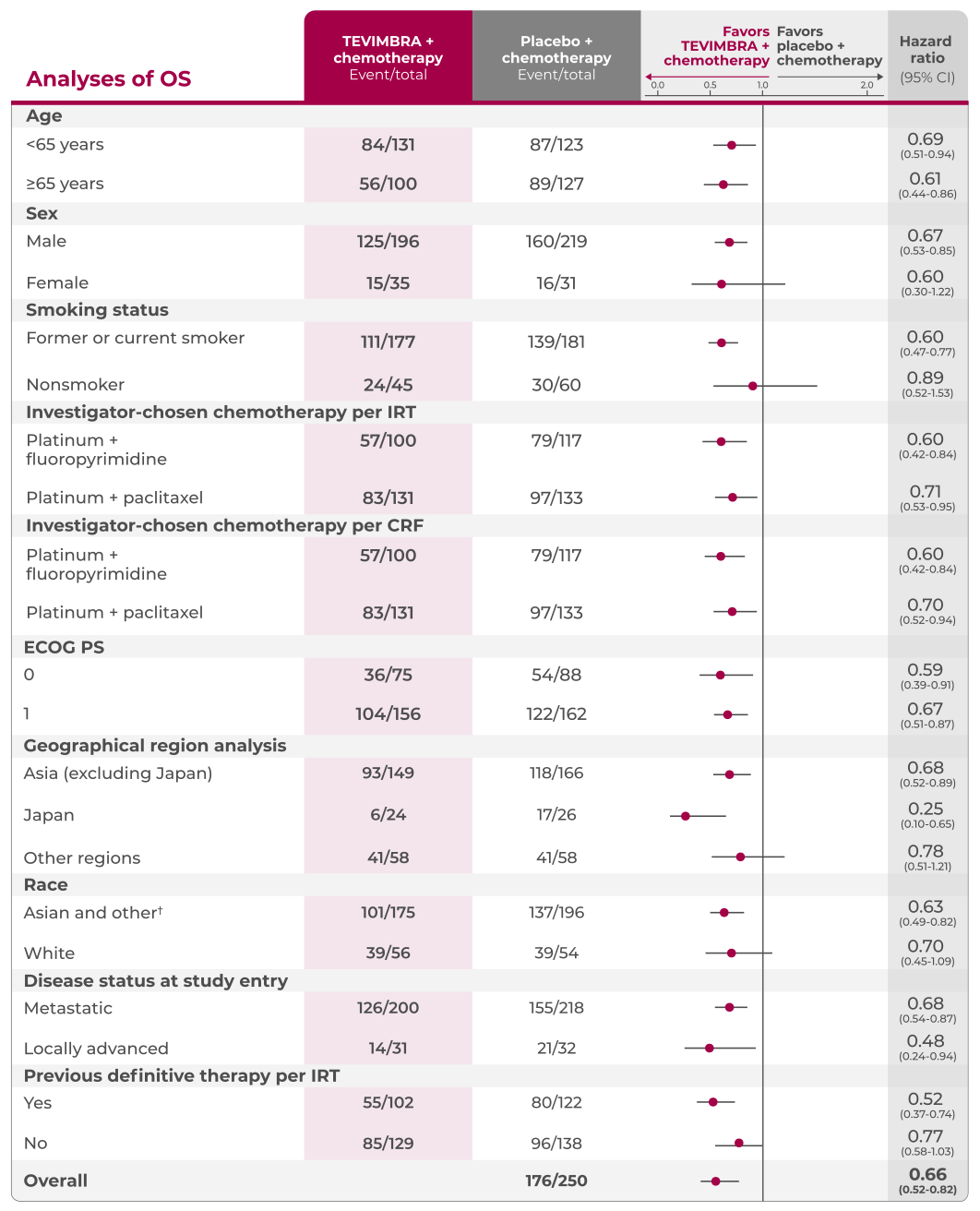
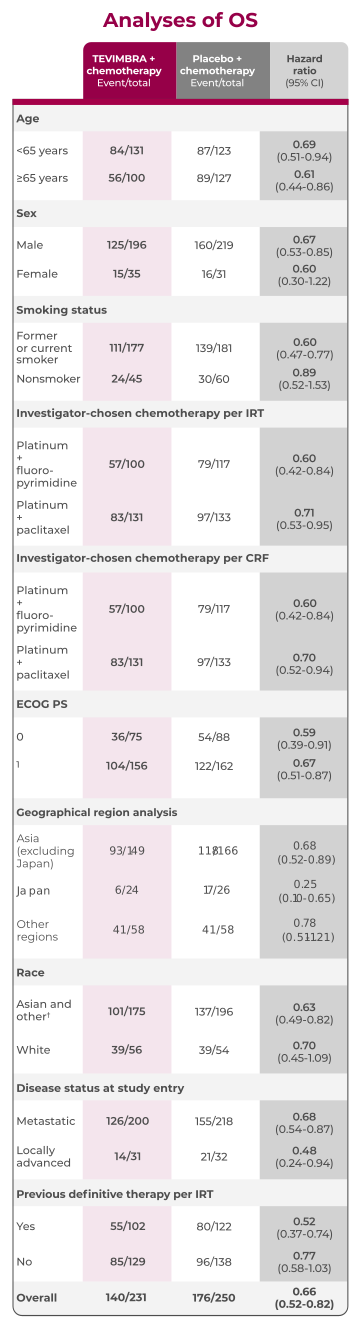
Subgroup analysis of OS in 1L ESCC (PD-L1 ≥1%)
A consistent trend in overall survival favoring TEVIMBRA + chemotherapy across multiple key subgroups2
Analyses of OS
Frequently Asked Questions
What was the overall survival with TEVIMBRA in patients with 1L advanced ESCC and PD-L1 scores ≥1%?
TEVIMBRA + chemotherapy delivered unprecedented overall survival results in patients with 1L advanced ESCC and PD-L1 scores ≥1%. TEVIMBRA + chemotherapy demonstrated 16.8 months median overall survival vs 9.6 months median overall survival with placebo + chemotherapy, an increase of 7.2 months. The hazard ratio was 0.66 with a 95% confidence interval of 0.53-0.82.1
What were the 3-year results for TEVIMBRA in patients with 1L advanced ESCC and PD-L1 scores ≥1%?
In the 3-year exploratory analysis, TEVIMBRA + chemotherapy provided sustained overall survival over 3 years. 21.3% of patients were still alive at 3 years with TEVIMBRA + chemotherapy vs 14.3% with placebo + chemotherapy.2
Limitation: The 3-year OS analysis was exploratory in nature and was not powered to show statistical significance. Landmark OS rates were estimated using the Kaplan-Meier method. No definitive conclusions can be drawn.
What are the NCCN recommendations for using tislelizumab-jsgr (TEVIMBRA®) in 1L advanced ESCC?
*Category 2A Preferred if using paclitaxel and oxaliplatin or cisplatin.
†PD-L1 expression levels as determined by CPS.
*This retrospective subgroup analysis included patients with a PD-L1 score ≥1% only.1
†The race subcategory “Other” included American Indian or Alaska Native, not reported, and unknown.2
1L, first line; CRF, case report form; CPS, combined positive score; ECOG, Eastern Cooperative Oncology Group; ESCC, esophageal squamous cell carcinoma; HR, hazard ratio; IRT, interactive response technology; mOS, median overall survival; ORR, overall response rate; OS, overall survival; PD-L1, programmed death ligand 1; PFS, progression-free survival; PS, performance status.