

1L HER2+ GEA safety
Safety in 1L HER2+ GEA: All randomized patients
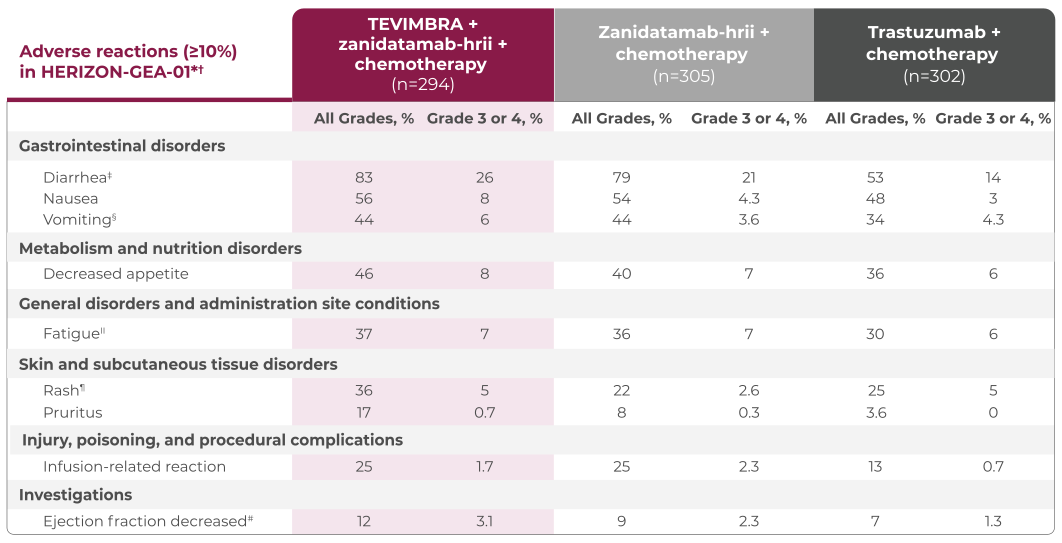
Adverse reactions were consistent with the known safety profiles of PD-1 inhibitors and anti-HER2 antibodies1-4
Discontinuation of TEVIMBRA5
- Occurred due to an adverse reaction in 17% of patients (reactions occurring in ≥1%: diarrhea or colitis [3.7%], pneumonitis [2.7%], rash [2.0%], and immune-mediated hepatitis [1.3%])
Dosage interruptions of TEVIMBRA5
- Occurred due to an adverse reaction in 60% of patients (reactions occurring ≥2%: diarrhea, neutrophil count decreased, platelet count decreased, anemia, decreased appetite, hypokalemia, asthenia, COVID-19, fatigue, ejection fraction decreased, influenza, pyrexia, and vomiting)
Serious adverse reactions5
- Occurred in 59% of patients who received TEVIMBRA + zanidatamab-hrii + chemotherapy (reactions occurring in ≥2%: diarrhea, infusion-related reactions, vomiting, hypokalemia, acute kidney injury, pneumonia, nausea, decreased appetite, and anemia)
- Fatal adverse reactions occurred in 2.4% of patients who received TEVIMBRA + zanidatamab-hrii + chemotherapy, including acute kidney injury (n=2), cardiac failure, diarrhea, dehydration,
hypovolemic shock, and intestinal obstruction (all n=1)
Prophylactic management in HERIZON-GEA-012
- Patients in the zanidatamab-hrii–containing arms received mandatory prophylaxis for infusion-related reactions** and diarrhea††
Safety in 1L HER2+ GEA: All randomized patients
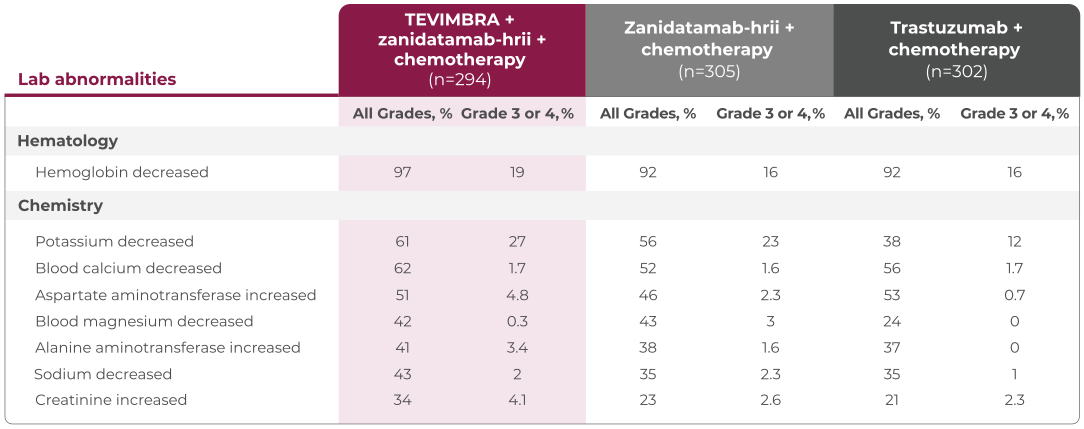
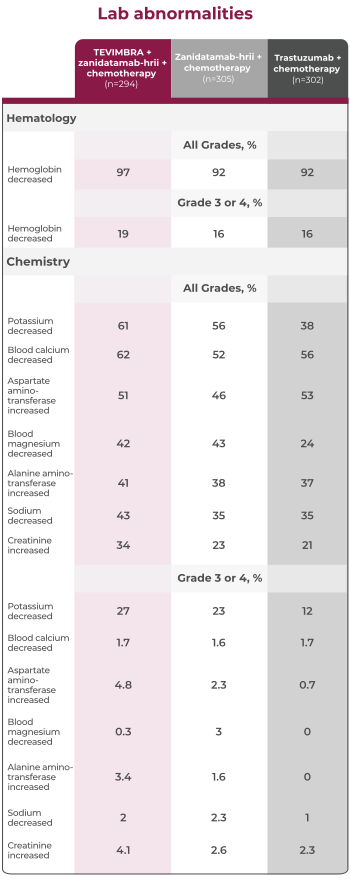
Select lab abnormalities worsening from baseline that occurred in ≥30% of patients in HERIZON-GEA-011‡‡
Frequently Asked Questions
What was the safety profile of TEVIMBRA + zanidatamab-hrii + chemotherapy in patients with 1L HER2+ advanced GEA?
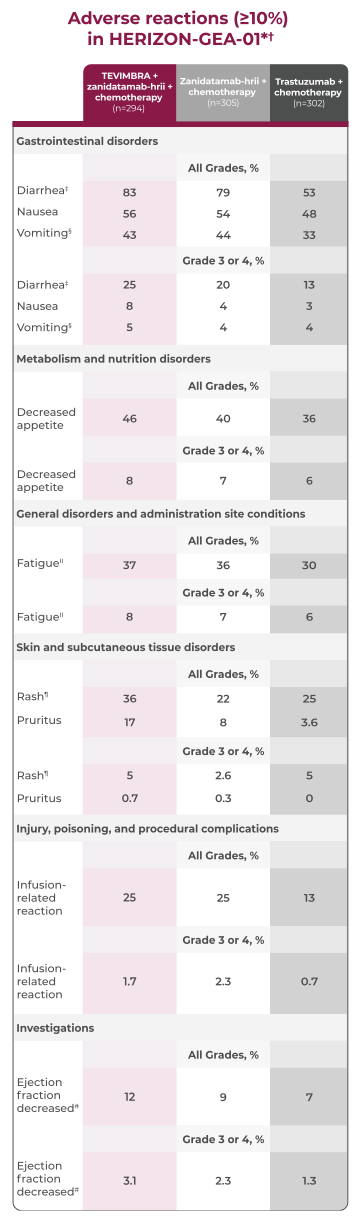
TEVIMBRA had a well-characterized safety profile, and adverse reactions were consistent with the known safety profiles of PD-1 inhibitors and anti-HER2 antibodies. Adverse reactions (≥10%) with an increased incidence (≥5% increase in all grades) included diarrhea, nausea, vomiting, decreased appetite, fatigue, rash, pruritus, infusion-related reaction, and ejection fraction decreased.1-4
What were the discontinuation rates of TEVIMBRA in patients with 1L HER2+ advanced GEA?
Dosage interruptions due to an adverse reaction occurred in 60% of patients. Reactions in ≥2% were diarrhea, neutrophil count decreased, platelet count decreased, anemia, decreased appetite, hypokalemia, asthenia, COVID-19, fatigue, ejection fraction decreased, influenza, neutropenia, pyrexia, vomiting, and thrombocytopenia.5
How were infusion-related reactions and diarrhea managed in the HERIZON-GEA-01 trial?
*Reflects adverse reactions with an increased incidence (at least 5% increase in all grades in either zanidatamab-hrii–containing arm).1,5
†Graded per CTCAE version 5.5
‡Diarrhea includes colitis, diarrhea, enteritis, enterocolitis, and enterocolitis hemorrhagic.5
§Vomiting includes hematemesis and vomiting.5
IIFatigue includes asthenia and fatigue.5
¶Rash includes dermatitis, dermatitis acneiform, palmar plantar erythrodysesthesia syndrome, rash, rash erythematous, rash maculo-papular, rash pustular, and urticaria.5
#Ejection fraction decreased includes cardiac failure, ejection fraction decreased, left ventricular dysfunction, and right ventricular failure.5
**Glucocorticoids, antihistamines, and acetaminophen were administered 30 to 60 minutes before infusion.2
††Loperamide was administered orally at 4 mg twice daily for the first 7 days of Cycle 1.2
‡‡Occurred with an increased incidence (at least 5% of all grades or 2% of Grades 3-4 in either zanidatamab-hrii–containing arm).1,5